What’s been happening in the Junior School?
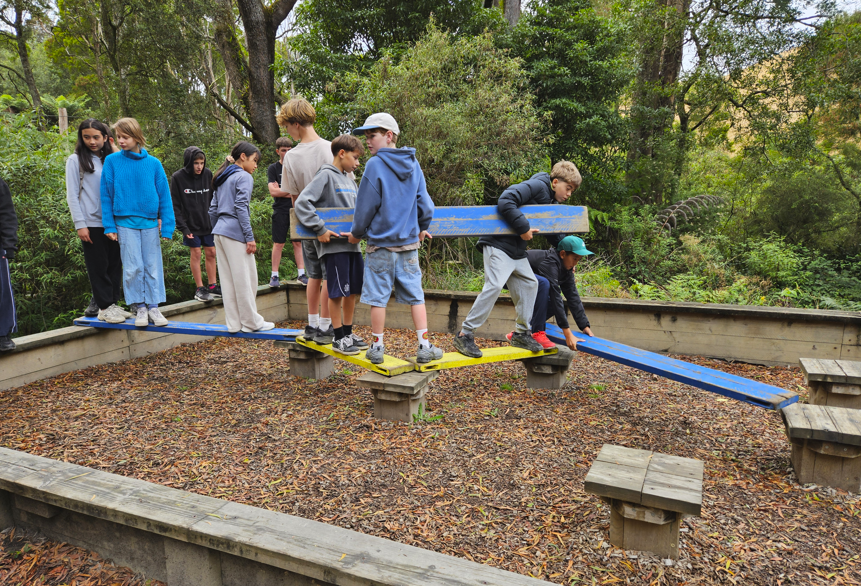
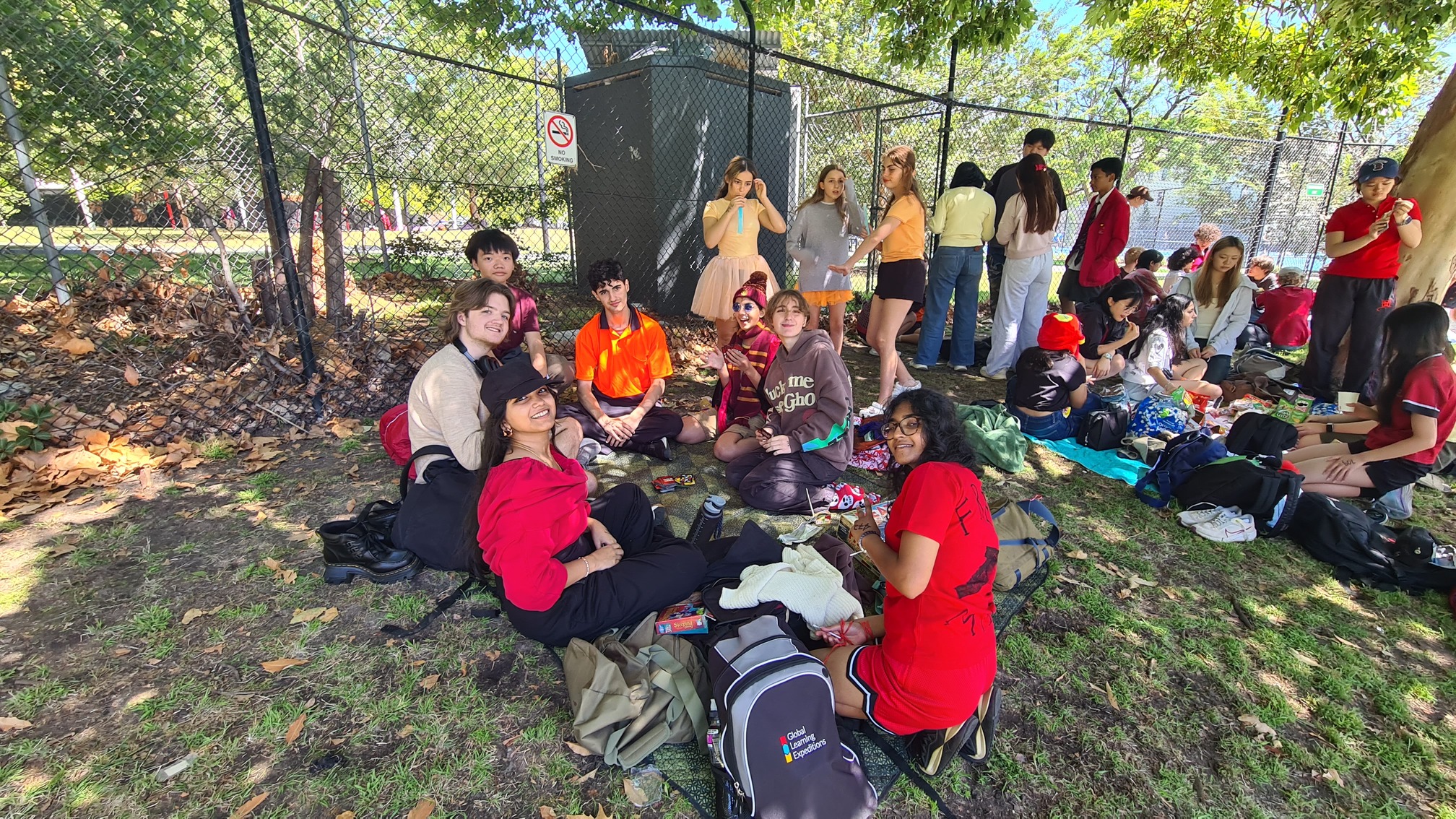
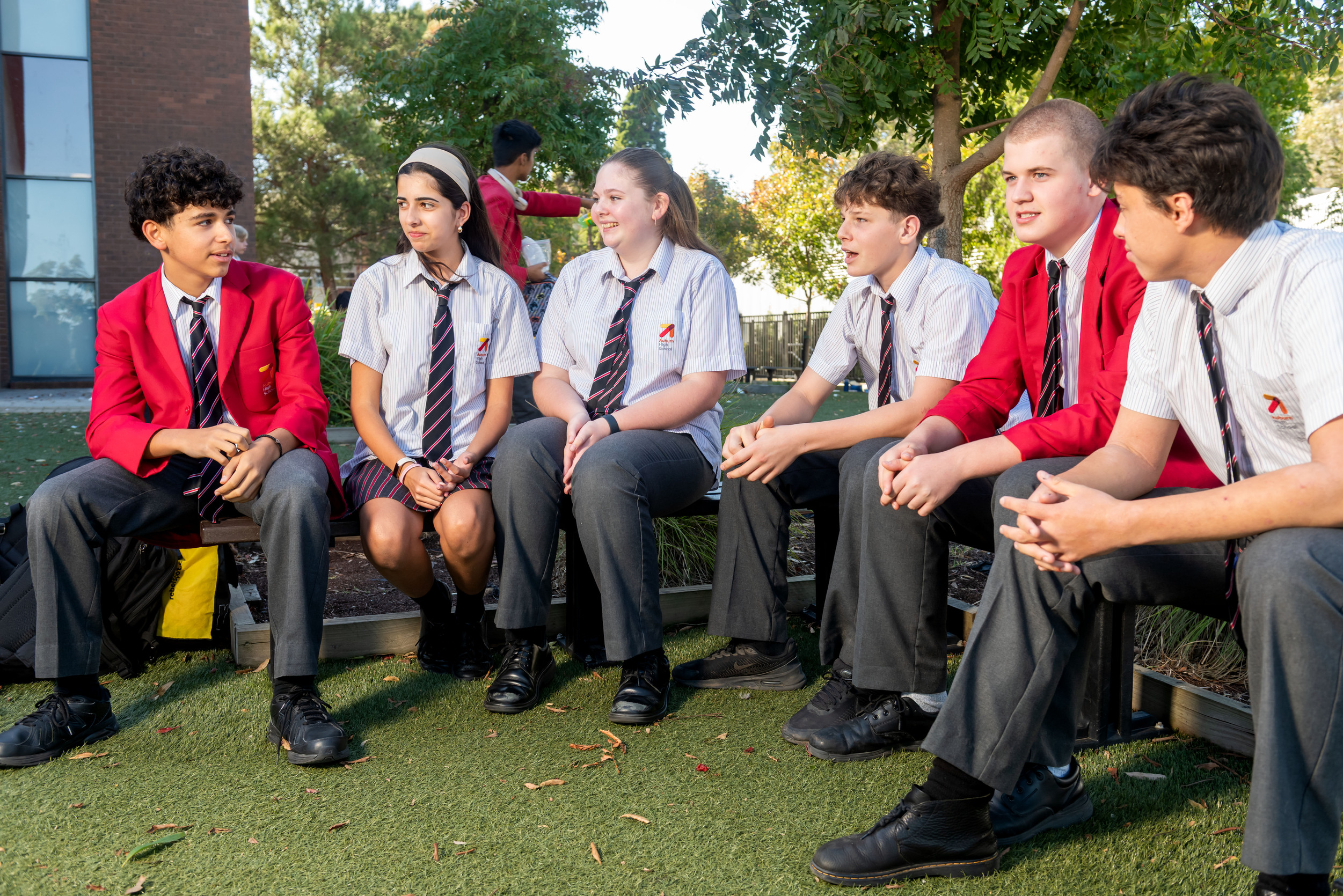
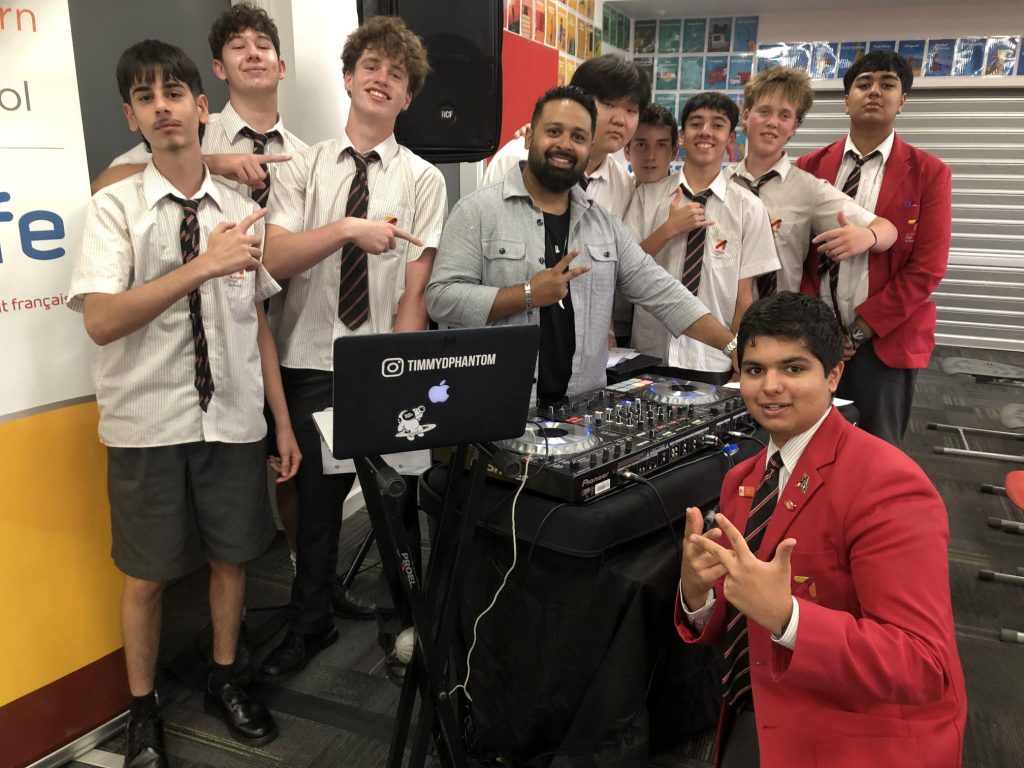
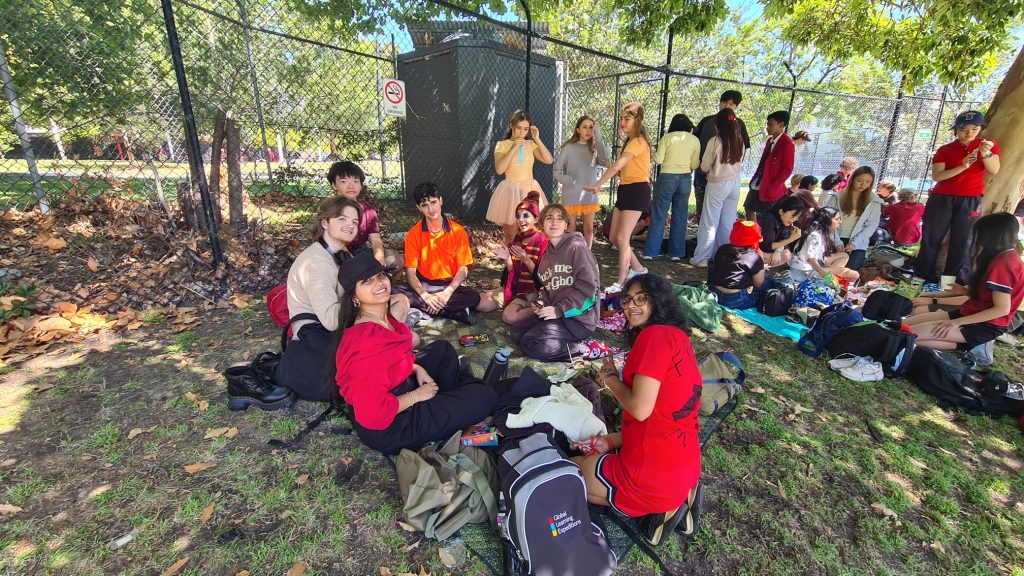
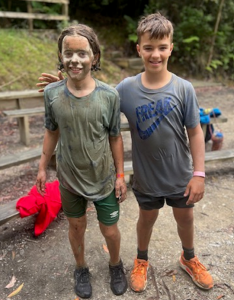
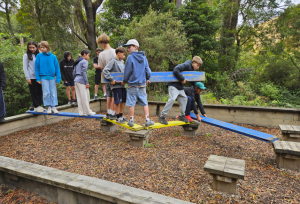
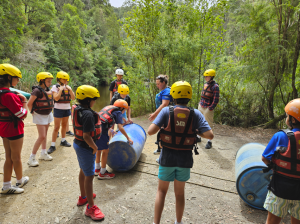
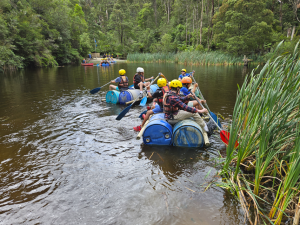
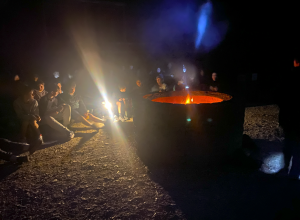
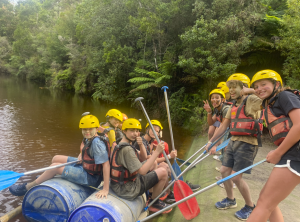
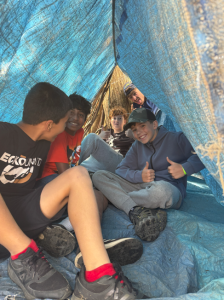
Year 7 Camp was again an overwhelming success. I had the pleasure of spending a day at Camp Rumbug with the cohort and I was so pleased to see students taking on challenges and building new friendships with their peers and teachers. A huge than you to our Year 7 Leaders, Badi Sheidaee and Fanny Beck for their dedication to ensuring this is a memorable event and an integral step in our students transition to high school. Every report from teachers and students was full of positive comments and stories of fun being had by all. The mud run continues to be a highlight for many!
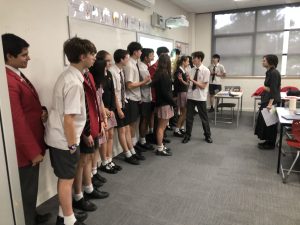
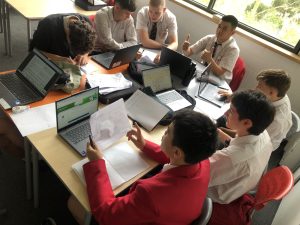
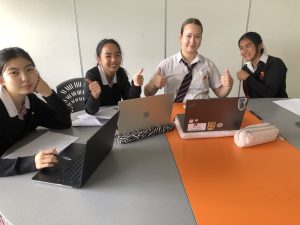
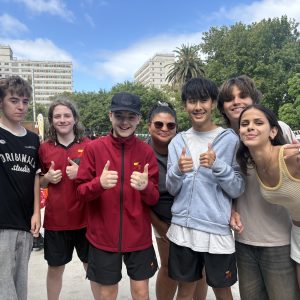
A highlight of the Year 9 calendar each year, the City Project experience, has been in full swing this week following the introductory event, the Great Melbourne Race. In the Race, students worked in teams and problem-solved their way around the CBD, from the heights of the Eureka Tower to the hallowed Melbourne Cricket Ground. Students are based at the City Cite this week, collaborating with their team mates to complete an extended research project. We look forward to seeing them present their findings at our presentation evening for parents and friends next week, Wednesday March 11th. Huge thanks to our Year 9 Leaders, Nicole Marie & Jess Hayes and our year 9 English team for all their efforts in organising this memorable experience for our students.
Getting back to Learning: Practical strategies for creating and maintaining positive classrooms
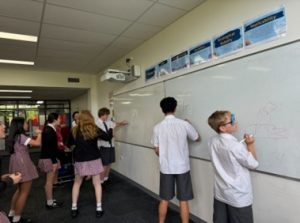
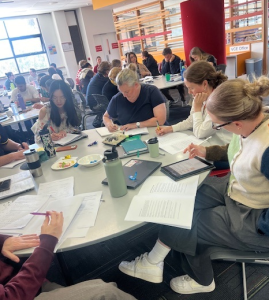
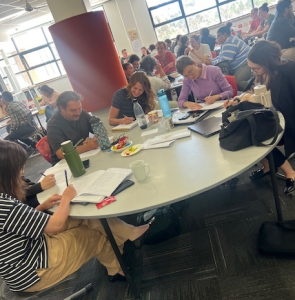
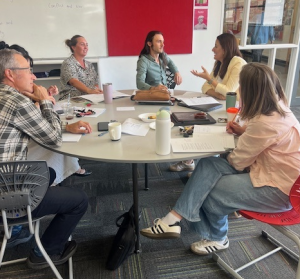
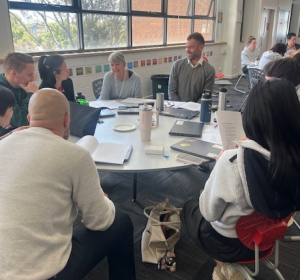
Classrooms are dynamic spaces filled with diverse energy, personality, strength, emotional strengths and challenges, differing levels of patience and interest. As teachers, our task is to ensure there is a ‘flow’ in this space, a way for all students to participate, seek support, explore and be resilient in the face of learning challenges. In week 3, our staff came together for a powerful professional learning day titled Getting back to Learning, designed to deepen staff engagement strategies. This day was facilitated by education consultant, Glen Pearsall. Glen is an experienced educator, leader, and consultant who has worked with schools across Australia, including many high-performing schools similar to Auburn. His approach is practical, interactive, and closely connected to the day-to-day experiences of students and teachers in the classroom.
Grounded in his experience of what works, the day unpacked strategies for teachers to:
- Keep students engaged in learning: Practical strategies teachers use to help students stay focused, motivated, and actively involved in their learning
- Support students through learning challenges: Positive, calm approaches teachers use to guide students when learning becomes difficult and to help them feel safe and supported
- Strengthen learning and understanding: How teachers check for understanding, give timely feedback, and support every student to move forward with confidence
Our staff spoke so highly of this day, many saying this was some of the best professional learning they had done in years. Why? We spent the day diving into the challenges that can emerge in the classroom and exploring practical strategies to help all students remain focused. We also considered how to respond to behaviours with the right management strategies, while still maintaining the flow and momentum we aim for in every lesson.
The strategies explored throughout the day align with the 2024 Department of Education release of the Positive Classroom Management Strategies, a set of evidence-informed practices designed to create safer, more purposeful learning environments that support student learning, wellbeing and behaviour.
This priority is directly connected to our school’s teaching and learning focus for 2025–2026, which centres on strengthening our collective ability to leverage the strengths of our instructional model by ensuring that the conditions for successful learning are intentionally created.
Drawing on cognitive load theory, we recognise that students learn most effectively when their attention can be directed toward the learning task rather than competing distractions. By intentionally structuring classrooms, routines and behaviour expectations, we aim to minimise unnecessary cognitive load so that students’ working memory can focus on processing new information and engaging deeply with learning.
Within the Victorian Teaching and Learning Model 2.0, this work sits within the element of enabling learning. Enabling learning involves establishing the conditions that allow all students to engage successfully in learning, including creating safe, orderly and inclusive classrooms, building positive relationships, setting clear expectations, and implementing routines and supports that maximise student attention, participation and readiness to learn.
Being ‘Ready to Learn’ is the first step
At Auburn High School, we believe that every student has the right to learn in a calm and orderly environment, and that each member of the community has a responsibility to ensure that our learning and community spaces remain as calm and orderly as possible. We strive to ensure that all learning environments provide students with the opportunity to maximise their learning and wellbeing outcomes, in every class, in every day, in every opportunity.
Our Learning Behaviour Rubric explains the conditions for students to not only meet these expectations, but to exceed them. To know what and how to go above and beyond what they can currently do, being aspirational and resilient in learning and wellbeing challenges. To support these opportunities, in 2025, the Engagement Team (made up of year level leaders) reviewed our consistency and transparency in the expectations we have for students to be ‘Ready to Learn’. That means, what are the key behaviours we expect to see every student display, before they enter the classroom, every day. Being Ready to Learn looks like:
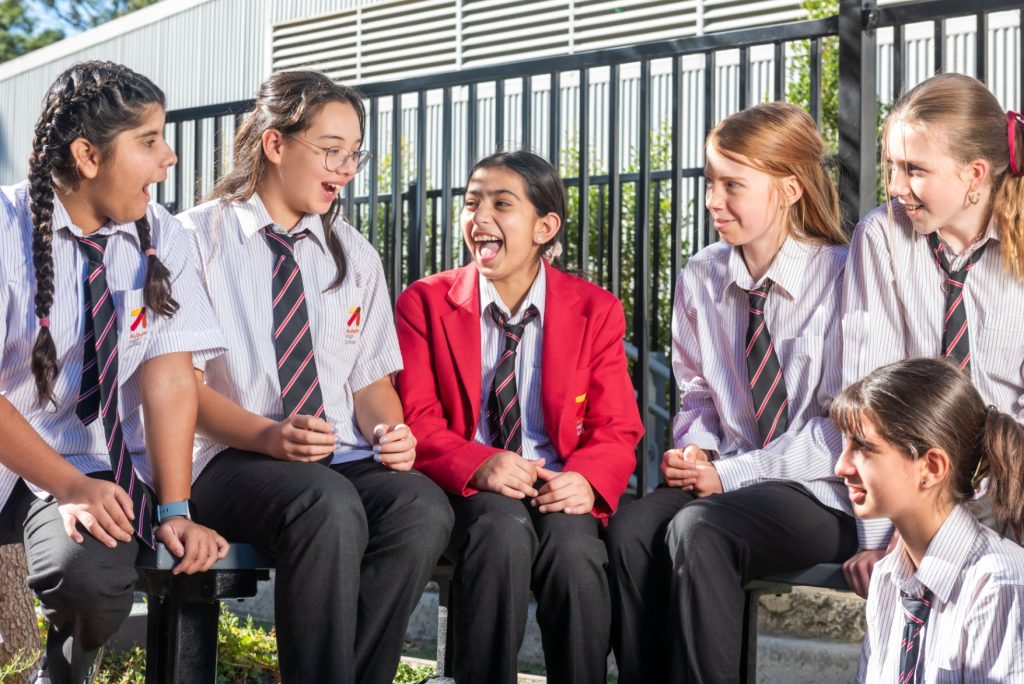
- In Uniform
- On time to every class
- Bring our required materials
- Mobile phone remains in our locker
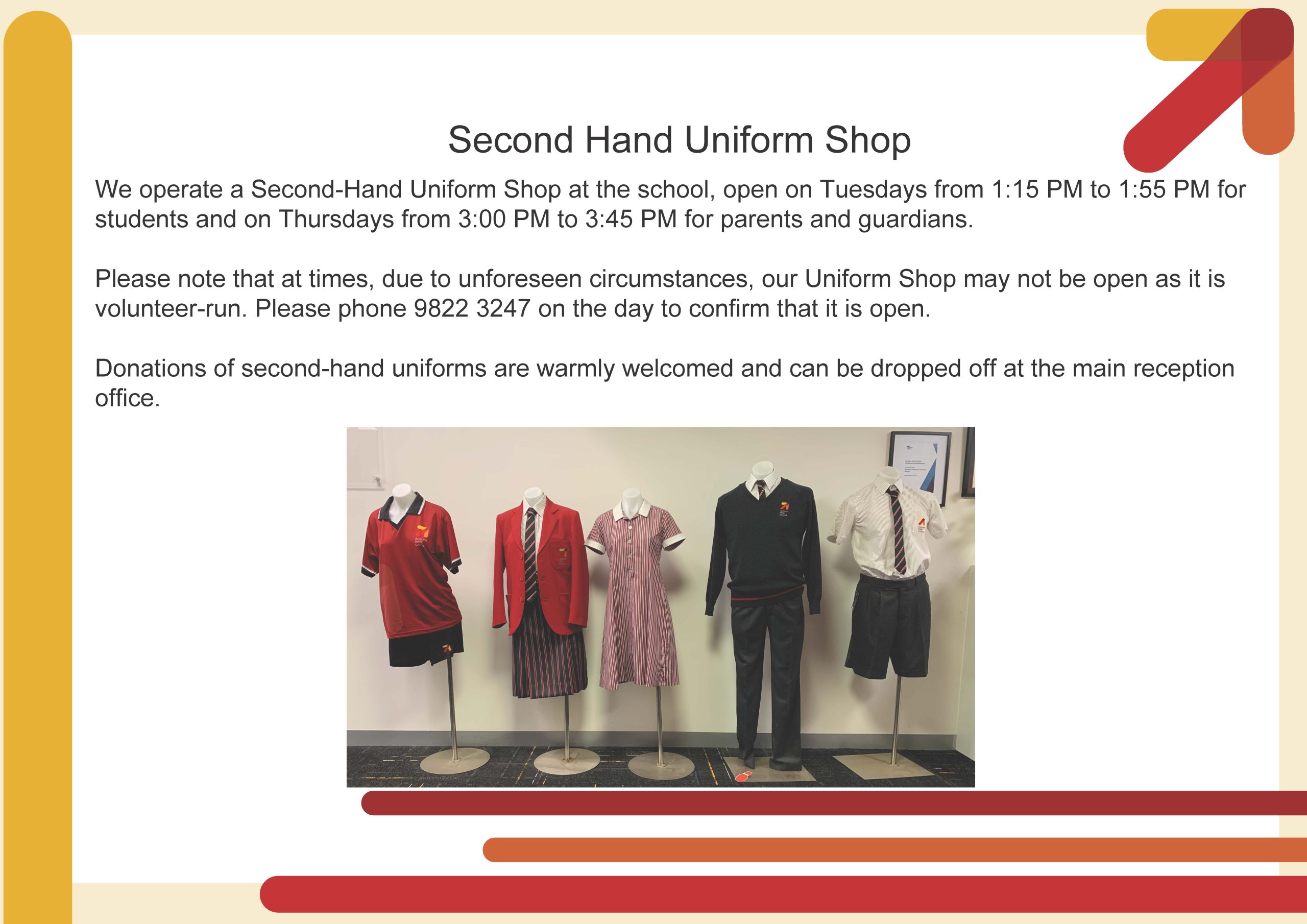
I want to acknowledge that the new year can be an expensive time for families and to remind you that supports are available should you need them. In particular, if your child requires additional uniform, please notify us via the following form and we will be in touch.
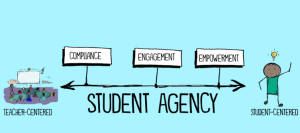
Student Agency – co-constructing our classrooms for success
‘There are many ways in which student voice can have a positive impact on the educational challenges we face. When students believe their voices matter, they are more likely to be invested and engaged in their schools’
Student Voice: The Instrument of Change
What is Pivot?
We all care deeply about our students: their academic growth & their personal, social and emotional wellbeing. Pivot is ONE evidence-based tool we use to listen to students about their classroom experience.
Pivot is an evidence-based student feedback survey that uses 25 questions that are based on the Australian Professional Teaching Strategies to capture student feedback on teaching & learning at Auburn High School, more specifically: the Classroom Environment, Instruction, Teacher Relationships & Student Voice. The results from these surveys remain anonymous but provide both classroom teachers and the whole school with valued insight into what students what from their learning.
How is PIVOT beneficial for students?
Student voice opportunities such as PIVOT allow our students to participate in decision-making processes that have an effect on them as students, and on Auburn High School. Simply put, research literature tells that when adults listen to and learn from students, teachers can teach better and students can learn better. PIVOT Surveys are open for EVERY class from Week 5 – Week 7 this term. Teachers are actively engaging students in the feedback process.
What happens after the survey is completed?
- Teachers will review their feedback and facilitate a conversation with their students about what to keep, start and stop doing.
- Learning Area Teams & Year Level Communities will review larger sets of data to identify and respond to trends
- An expression of interest will be sent to students in week 8, offering the opportunity for students to participate in our Term 2 Teach the Teacher forum.
Teach the Teacher
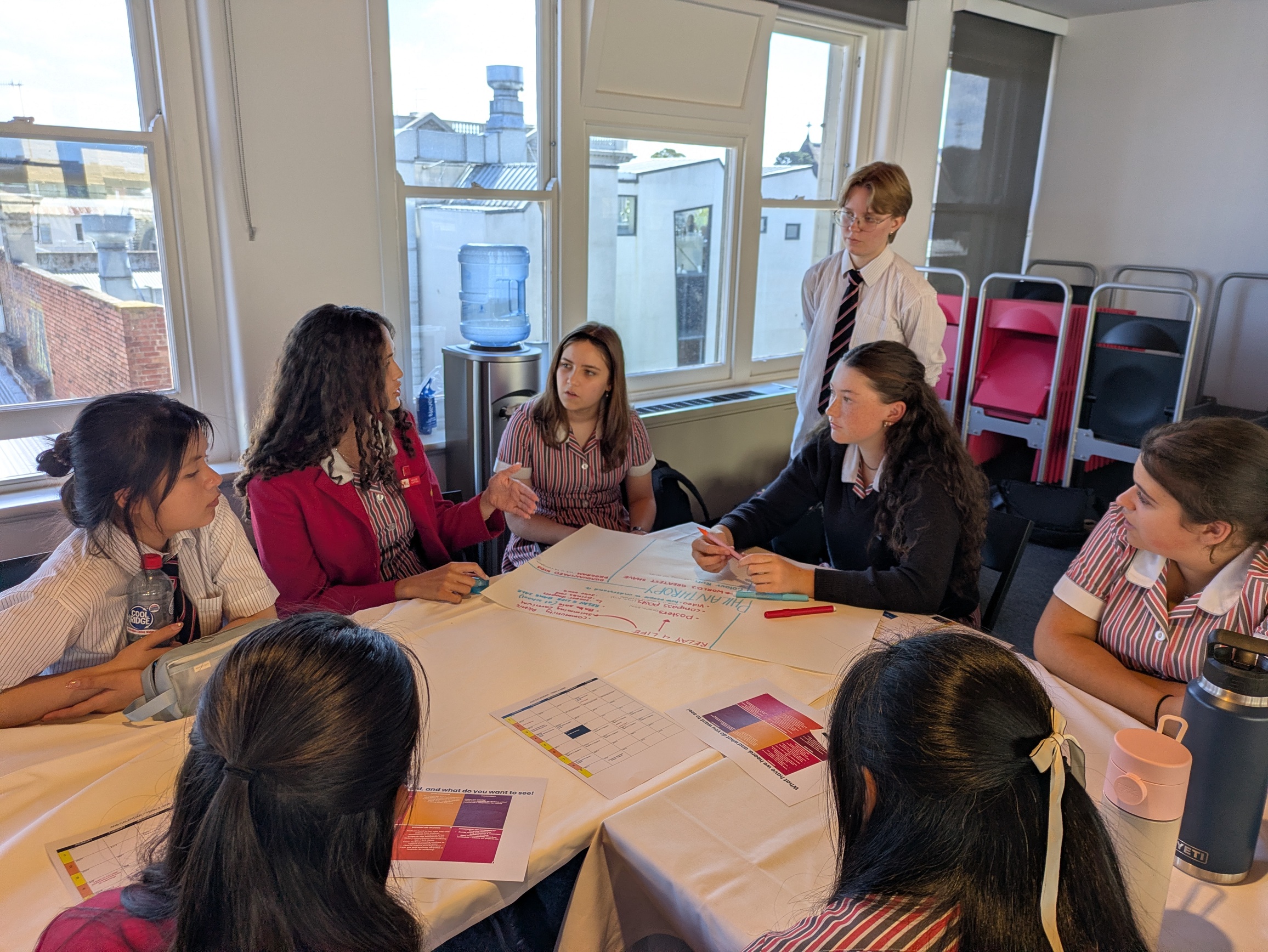
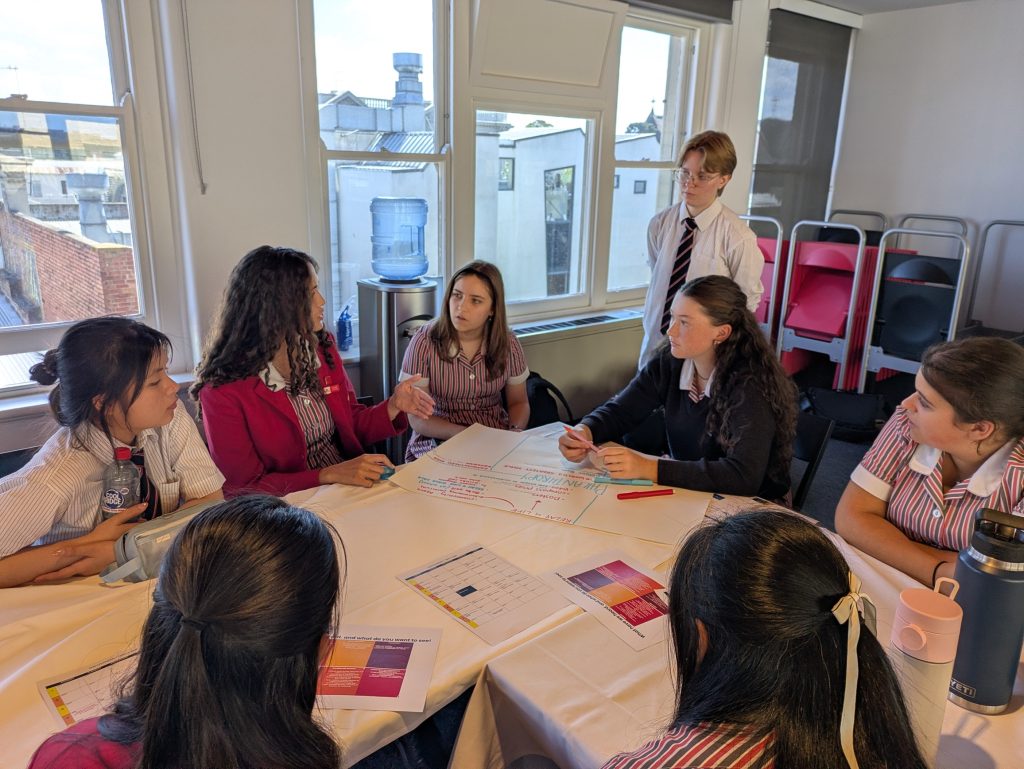
Teach the teacher is a student led professional learning workshop for staff which will be held in Term 2, week 2. Students will form a focus group and analyse the term 1 Pivot results, they will choose a focus for the session and then research, plan and present strategies that their teachers can use in their lessons.
You can access more information about PIVOT here: https://www.pivotpl.com/
School Photos
Thank you to staff and students for the smooth completion of the 2026 school photos. The individual photos will be used on Compass and on Student ID cards. Families can purchase photos directly from MSP via Compass. Photos will be released to students in the coming weeks.
Parent-Student-Teacher Conferences
This term, Parent-Student-Teacher conferences will be held online, via Webex, across the following 2 days:
Week 9:
- Tuesday 24th March: 12:00pm – 7:30pm (no classes)
- Wednesday 25th March: 2:30pm – 4:30pm (students will be dismissed at 1:15pm)
Please note that as the two sessions occur in the same week we will not reopen bookings between sessions.
Therefore we encourage you to action your bookings before Friday 20th March . This will support our teachers to be able to prepare for your booking.
Prior to the conference WebEx meeting room links for families to use will be made available. Please take some time to prepare for the online conferences, particularly if you are new to using WebEx.
More information is available via Compass.
Dannielle Gibson
Assistant Principal (7-9)