
Fostering cognitive engagement in our students
Do you ever wonder how many exposures it takes for your brain to rewire? 17. That’s right, it is seventeen times that we need to see, retrieve and actively use information to ensure that it is encoded and stored in our long-term memory.
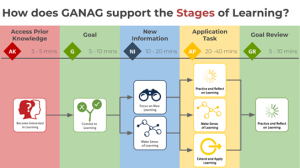
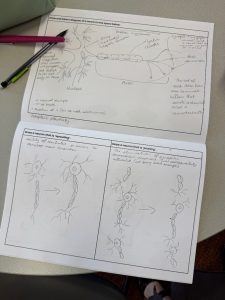
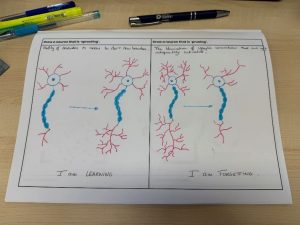
With our staff Professional Learning Day earlier this term we focused on our School Strategic Plan Goal 1: Maximise the learning and engagement of every student, investing in the practice of our teachers to refine their implementation of our instructional model, GANAG, as we built their understanding in how student learn. Staff engaged in an understanding of students’ brains, neuroplasticity and memory to reflect on their practice and facilitate reflections to enhance our teaching and learning programs at Auburn.
Our students’ brains are continuing to develop as adolescents and there are ways that we can support them to be successful with their learning programs at school. As their brains are highly adaptable through neuroplasticity, we can help them to shape their brain development so that they are actively participating in their learning opportunities. Through a gradual release of responsibility in the classroom, students can build on the knowledge they have retained from previous lessons to retrieve information they need to embed into their application tasks.
As parents and carers, you can support their cognitive development at home:
- Encourage consistent sleep routines to support memory consolidation overnight.
- Support their working memory and organisation by reminding them to use a schedule to plan and ‘chunk’ their homework and revision into manageable steps within their routines.
- Help them to make semantic connections within their long-term memory by linking their learning to real interests and asking them about their learning at school, such as:
- “What was something new or confusing in class today?”
- “Can you walk me through how you solved that problem?”
- Encourage emotional regulation (taking healthy breaks, engaging in hobbies, naming emotions and reflection) to calm the brain so that they are able to retain new knowledge more effectively.
- Respect their need to develop independence and agency by offering help, asking guiding questions instead of providing answers and celebrating effort and progress, not just results. This will help them to foster our Auburn Learn Quality of Character (including growth mindset and resilience)
Closing up Semester 1
We have finished a busy period of summative assessments (CATs & SACs) in the Senior School and I commend all of our students for their perseverance as their Semester 1 classes ended on Tuesday. With our Semester 1 mid-year examinations beginning, our students will have the opportunity to test their long-term retention of the knowledge and skills covered in their semester subjects, demonstrating their learning since the commencement of Headstart in November last year.
These examinations provide students with comprehensive evidence of their learning for this semester. Students will receive clarity about the structure and format of their exams from their classroom teachers. They are encouraged to ask questions and seek assistance if they are unsure at any point so that they can be supported in the lead up. Teachers will use unpack this data to support students in developing their academic goals for Semester 2.
This term all Senior School students have had protected time to work on their My Learning Growth documents. Students have accessed their individual templates to reflect on their Term 1 attendance, Learning Behaviours and CAT/SAC data before setting engagement, academic and wellbeing goals for this term. We know that goal setting promotes motivation and accountability, and students were supported in designing SMART goals that will support their success this term. When we review our individual data, we start to think about the opportunities we want to provide ourselves for the future. This will be integral in support students to make informed decisions as part of their 2026 program selection.
Ella Price
Senior Assistant Principal